Updated: July 2026
North Bali Travel — Munduk Bali 3 Day Itinerary: Sunrise Hikes…
North Bali Travel is a curated Indonesia luxury tourism experience offered by Northbalitravel Co.: handpicked routes, vetted operators, transparent pricing, and 24/7 concierge support across Indonesia.
- What makes North Bali Travel a premium experience.
- How Northbalitravel Co. curates exclusive access and concierge logistics.
- Routes, seasons, and pricing transparency — no hidden fees.
Munduk Bali 3 Day Itinerary: A Real Schedule from a Local Guide
What is a Munduk 3 Day Itinerary?
A Munduk three day itinerary is a focused exploration of the highland village of Munduk in Buleleng Regency, North Bali, designed around the daily rhythm of cool mountain mornings, midday waterfall hikes, and slow afternoons in the rice terraces and coffee plantations. Unlike multi-zone Bali itineraries that pass through Munduk for a single night, this three day plan stays in the village across all three nights, allowing the early morning experiences (sunrise ridge hike, dawn cooking class shopping at the local market) and the late afternoon experiences (sunset cocktail at Made’s, evening rice paddy walk) to actually happen. Munduk sits at one thousand meters elevation, the temperature drops to seventeen degrees Celsius at night, and the rhythm here is fundamentally different from coastal Bali. Three days is the minimum to feel that difference; many of our return guests now stay five or seven. Bali tourism portal
Day 1: Arrival, Settle In, and the Munduk Waterfall Loop
Morning: Travel to Munduk
Pickup from your South Bali base or the airport in the morning. From Seminyak the drive is approximately three hours via Tabanan, Jatiluwih rice terraces, and the Bedugul highland route. We strongly recommend the Jatiluwih routing rather than the direct Tabanan-Pupuan road because the elevation gain through Jatiluwih prepares you for the Munduk altitude, and the morning light on the UNESCO-listed terraces is significantly better than what you will see in the afternoon. Stops include the strawberry stalls at Pancasari (ten minutes), Ulun Danu Beratan temple at Bedugul (forty-five minutes for the lake pagoda), and a coffee tasting at one of the Wanagiri ridge plantations (thirty minutes, includes the famous luwak coffee tasting if you choose, though we are honest with guests that the ethics of luwak production are complicated). Subak (UNESCO heritage)
Afternoon: Munduk Waterfall Trail
Arrive at your Munduk hotel by 1pm. Lunch at the hotel or at Cafe Mountain View, which has a Balinese set menu and the best valley view in the village. After lunch, the Munduk waterfall trail is the perfect first-day activity because it is moderate difficulty, three kilometers total, and gives you the layout of the surrounding plantations. The trail starts at the Munduk Cafe parking area and descends through clove and cocoa farms to three named falls in sequence: Labuhan Kebo (a ten-meter cascade with a swimmable plunge pool), Melanting (the wider middle fall), and Red Coral or Munduk waterfall (the sixty-meter signature drop that gives the village its photographic identity). Total time on the trail is two and a half hours including swim breaks. The path is paved most of the way but slippery in places when wet.
Evening: Sunset and Dinner
The classic Munduk sunset is from the Wanagiri ridge or from your hotel terrace if you have a west-facing room (we book Munduk Moding Plantation for the panorama, or Sanak Retreat for a more boutique feel, with both offering sunset balconies). Dinner options in Munduk village are limited but excellent: Don Biyu serves the most refined version of Balinese cuisine in the highlands, Ngiring Ngewedang offers traditional Buleleng dishes, and Madu Sari has the best vegetarian menu. All three are within a five-minute drive of any village hotel. Bed by 10pm because day two starts before dawn.
Day 2: Sunrise Hike and Banyumala Waterfall
Pre-Dawn: Tamblingan Twin Lakes Ridge Sunrise
This is the centerpiece of the three day Munduk itinerary and the experience most guests describe as the highlight of their entire Bali trip. We pick you up at 4:45am with hot coffee in a thermos. Drive fifteen minutes to the trailhead at the Tamblingan ridge entrance. The hike up to the viewpoint is forty-five minutes, moderate steepness on a packed dirt path, with a local guide who knows the route in the dark using head torches. You arrive at the viewpoint by 5:45am, ten minutes before the sun crests the eastern horizon. The view from the ridge looks down on both Lake Tamblingan to the south and Lake Buyan to the southeast, with the Mount Catur peak rising behind. On clear mornings you can see Mount Agung in the far distance.
The light show lasts roughly thirty minutes from first light to full daybreak. The mist sits on the lakes until the sun warms the water surface, then lifts in slow sheets that look unreal in photographs. We bring a thermos of jasmine tea and Balinese rice cakes for breakfast on the ridge. Return hike to the car is forty minutes downhill. You are back at the hotel by 8am.
Mid-Morning: Hotel Breakfast and Recovery
Real breakfast at the hotel between 8:30am and 10am. The pace deliberately slows here. Most guests need a hot shower and a half hour by the pool after the dawn hike, even fit guests. We block this recovery time into the itinerary on purpose because guests who skip it often crash mid-afternoon.
Late Morning to Early Afternoon: Banyumala Twin Waterfall
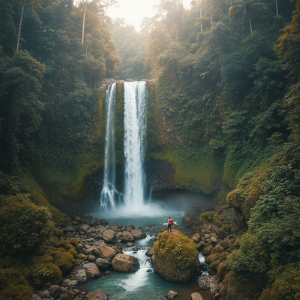
Drive to Banyumala at 10:30am. The road from Munduk village to Banyumala is fifteen minutes and the access road is rough, four-wheel drive recommended (our vehicles handle it). The hike to the falls is fifteen minutes downhill on a steep but well-maintained path. Banyumala is two parallel waterfalls falling into the same turquoise pool. The pool is swimmable and we recommend bringing a swim suit. The wooden viewing platform offers the photo angle that has made Banyumala famous on Instagram, but the photographic crowds are usually under twenty people on weekday mornings, far less than at Sekumpul. Allow ninety minutes total including the climb back up.
Afternoon: Balinese Cooking Class at Don Biyu
This is the activity that travelers consistently rank as the second favorite of the three day itinerary, after the dawn ridge hike. The class starts at Pancasari market at 2pm. We shop for the day’s ingredients with the head chef, Komang, who explains each Balinese spice and vegetable as you select it. Then we drive back to Don Biyu kitchen and cook five traditional dishes in sequence: base genep (the foundational Balinese spice paste), lawar (the ceremonial vegetable salad), grilled fish in banana leaf, vegetable urab, and traditional Balinese rice. Cooking takes three hours. Dinner is the meal you cooked, served in the open-air dining room as the evening fog rolls in. Allow until 7pm. The cooking class is IDR 750,000 per person and includes the market visit, all ingredients, recipe cards, and dinner.
Day 3: Tamblingan Canoe and Departure
Morning: Tamblingan Lake Dugout Canoe
Easy 7am wake-up. Breakfast at the hotel. Drive twenty minutes to the Tamblingan boat ramp at 8:30am. Tamblingan is the smaller and quieter of the two highland lakes, and by tradition no motorboats are allowed. The boats are traditional wooden dugouts called pedahu, paddled by local fishermen. Each boat carries up to three passengers plus the boatman. The crossing of the lake takes forty-five minutes and brings you to the small Pura Gubug temple on the western shore, a moss-covered three-tiered shrine that is one of the most atmospheric quiet sites in Bali. Allow two hours total including the return crossing. IDR 200,000 per boat.
Late Morning: Pancasari Strawberry Farm or Coffee Plantation
If you have children or want a relaxed activity before lunch, the Pancasari pick-your-own strawberry farms are a five-minute drive from the Tamblingan boat ramp. Adults can opt instead for an extended coffee plantation tour at Munduk Moding’s own plantation, which includes the green-bean roasting demonstration and a flight tasting of arabica versus robusta versus the highland kintamani.
Afternoon: Departure
Lunch at the hotel by noon. Check out by 2pm. Drive south via the same Bedugul-Tabanan route, or alternatively continue north to Lovina for a coastal extension. Travelers heading back to South Bali typically arrive Seminyak or Ubud by 6pm. Travelers heading to Lovina arrive on the coast within an hour, with time for sunset and the dolphin morning the following day (this is the natural extension to a 5D4N itinerary).
Where to Stay in Munduk
The four hotels we book most often are: Munduk Moding Plantation (luxury, infinity pool over the valley, the best photographic backdrop in the village, IDR 4,500,000 to 8,500,000 per night depending on season), Sanak Retreat Bali (boutique, eight wooden cottages, immaculate service, IDR 3,200,000 to 5,800,000), Puri Lumbung Cottages (mid-range, traditional rice barn architecture, family-run since the 1990s, IDR 1,400,000 to 2,200,000), and Munduk Wildflower (small, design-led, very photogenic, IDR 2,800,000 to 4,200,000). All four are walking distance from the village center or a five-minute drive.
Practical Tips for Munduk
Bring a light fleece or sweatshirt. Munduk is genuinely cool at night, especially November through March. Bring waterproof shoes for the waterfall hikes; sandals are not adequate. Bring rain jackets year-round, the highland weather changes hourly. Cash is useful but most hotels and the larger restaurants accept cards. ATMs are available in Pancasari and Bedugul but not in Munduk village itself. Mobile signal is good across all major Indonesian carriers. Power outages happen one or two times per week, mostly in the wet season, and last under thirty minutes typically.
For combining Munduk with the rest of North Bali, see our main North Bali travel page with the 3D2N and 5D4N options. For the broader list of what is around Munduk, see the twenty-five best things to do in North Bali. If your trip continues to Lovina, our guide to ethical dolphin watching in Lovina covers what to expect.
Planning a Day Trip: The Best Time to See Dolphins in Lovina
A signature experience of North Bali is witnessing the spinner dolphins of Lovina at sunrise. However, timing is critical to ensure a respectful and rewarding encounter. The “best time” involves two key factors: the time of day and the season. For the discerning traveler based in the Bali highlands, understanding these nuances transforms a simple boat trip into a profound natural spectacle. The optimal viewing window is invariably at dawn, typically between 6:00 AM and 8:00 AM. This early start is for a specific reason: the dolphins are returning to the calmer coastal waters to rest after hunting in the deeper sea overnight. They are often at their most playful and acrobatic during this transit, creating the iconic displays Lovina is known for.
Seasonally, the dry period from April to October offers the most favorable conditions. During these months, the sea is generally calmer, visibility is clearer, and the likelihood of rain disrupting your excursion is minimal. This translates to a more comfortable boat ride and better photographic opportunities. The peak months of July and August offer the highest probability of clear skies but also coincide with peak tourist season. For those seeking a more serene experience, the shoulder months of April, May, and September provide an excellent balance of good weather and fewer boats on the water, contributing to a more intimate and ethical viewing environment. Planning this excursion from your Munduk accommodation requires an early departure, a detail we meticulously arrange to ensure a seamless transition from the cool mountain air to the coastal sunrise.
Seasonal Considerations for Lovina Dolphin Watching
While the dry season is ideal, the wet season (November to March) does not entirely preclude dolphin sightings. Dolphins are present year-round. The primary challenge during these months is the weather, which can be unpredictable with rougher seas and potential for downpours. If your travel falls within this period, flexibility is key. We work with local captains who are experts at reading the conditions and can advise on the best possible day for an outing. It’s one of the 25 best things to do in North Bali, and with proper planning, it’s exceptional any time of year.
| Factor | Dry Season (April – October) | Wet Season (November – March) |
|---|---|---|
| Sea Conditions | Calm, smooth waters | Can be choppy, less predictable |
| Weather | Sunny, clear skies | Overcast, higher chance of rain |
| Crowd Levels | Higher, especially July-August | Significantly lower |
| Visibility | Excellent | Good, but can be affected by weather |
Ultimately, the goal is a memorable and respectful encounter with these wild creatures. By choosing the right season and operator, you contribute to a more sustainable form of tourism. This commitment to quality experiences is at the heart of our approach to crafting personalized journeys through this unique region of the island. Let us handle the logistics of your pre-dawn journey from Munduk, ensuring you arrive in comfort and style for this magnificent natural event.
A well-planned dolphin excursion is just one element of a comprehensive North Bali journey. To explore how this and other curated experiences can form the core of your bespoke itinerary, we invite you to discover our tailor-made North Bali travel services.
Sekumpul vs. Gitgit Waterfall: A Comparative Guide
For visitors to the Bali highlands, the allure of its powerful waterfalls is undeniable. Two of the most prominent are Sekumpul and Gitgit, yet they offer vastly different experiences. Choosing between them depends entirely on your preference for adventure, accessibility, and scenic composition. This is not a question of which is “better,” but which is better suited to your travel style. Gitgit Waterfall, often referred to as the “twin falls,” is the more accessible of the two. Located just a short, well-paved walk from the main road, it is an excellent option for those who desire a remarkable visual without a strenuous physical commitment. The falls are impressive, cascading into a cool, rocky pool, and the surrounding area is lush and well-maintained, making it a straightforward and rewarding stop.
Sekumpul, in contrast, is an expedition. Reaching it requires a significant commitment to waterfall trekking. The journey involves descending hundreds of concrete steps, crossing rivers, and navigating jungle paths. The reward, however, is commensurate with the effort. Sekumpul is not a single waterfall but a collection of at least seven distinct cascades that plummet from staggering heights into a dramatic, misty canyon. The scale is immense, creating a raw and powerful atmosphere that feels worlds away from civilization. This is the choice for the active traveler, the photographer seeking epic landscapes, and anyone wanting to feel truly immersed in Bali’s untamed nature. When planning your itinerary, consider what else is on your agenda. A visit to a nearby coffee plantation might pair better with the less time-consuming Gitgit, while Sekumpul is best allocated a dedicated half-day.
Key Differentiators at a Glance
- Accessibility: Gitgit is easily reached via a short, paved walk. Sekumpul requires a challenging trek with many stairs and river crossings.
- Scale and Scope: Gitgit is a beautiful, powerful twin waterfall. Sekumpul is a grand amphitheater of multiple, towering cascades.
- Experience: Gitgit is a scenic attraction. Sekumpul is an immersive adventure.
- Time Commitment: A visit to Gitgit can be done in under 90 minutes. Sekumpul requires a minimum of 3-4 hours.
Both waterfalls are highlights on any North Bali itinerary and are featured in our guide to the top attractions in North Bali. The decision hinges on your physical preparedness and desired level of immersion. For some, the ease of Gitgit is perfect. For others, the triumphant feeling of arriving at the base of Sekumpul is the very definition of adventure. We can advise on the best fit for your itinerary, ensuring all logistics, including private guides and comfortable transport from your hotel, are flawlessly executed.
Choosing the right activities is the first step in crafting an memorable journey. To see how we integrate experiences like these into a seamless and luxurious exploration of the north, view our approach to curated North Bali itineraries.
Discovering Quiet Bali: The Best Secluded Beaches Near Lovina
While Lovina is the hub of North Bali’s coast, the true luxury for many travelers is finding a stretch of sand that embodies the spirit of quiet Bali. The region’s volcanic geography has created a coastline of unique, dark-sand beaches, many of which remain blissfully undeveloped and serene. Moving west from Lovina, the coastline reveals several gems for those willing to venture just beyond the main tourist center. One of the most notable is Pemuteran Beach. Located about an hour’s drive west, Pemuteran is a world away from the boat traffic of Lovina. Its calm, clear bay is protected and is home to the largest artificial Biorock reef project in the world, making it a premier destination for relaxed snorkeling and diving right from the shore.
The atmosphere in Pemuteran is tranquil and sophisticated, with a focus on eco-tourism and marine conservation. The beach itself is a clean, sweeping arc of dark grey sand, backed by a small collection of boutique resorts and local warungs, with the dramatic mountain ridges of West Bali National Park as a backdrop. For an even more secluded experience, the small, unnamed beaches between Lovina and Pemuteran offer true solitude. Areas like Kalisada or the coast near Gondol offer quiet coves where you are more likely to encounter local fishermen than other tourists. These are not beaches with amenities, but rather authentic slices of coastal life, perfect for a quiet afternoon of reading and reflection before retreating to the cool comfort of your Munduk accommodation.
Exploring these hidden coastlines provides a beautiful contrast to the lush, terraced landscapes of the interior, such as the famous Munduk rice terraces. A typical day could involve a morning exploring the coast followed by an afternoon relaxing at a property like Munduk Moding Plantation, enjoying the shift in altitude and ambiance. This blend of coastal and highland experiences is what makes North Bali so compelling. Finding these spots requires local knowledge, as many are not signposted. A private driver-guide can unlock these hidden locations, curating a beach day based on your desire for solitude, activity, or local interaction. For more ideas on what to explore, see our list of the best things to do in North Bali.
A perfect North Bali itinerary balances iconic sights with moments of quiet discovery. Let us design a journey for you that reveals the hidden beaches and serene corners of the island, all seamlessly integrated into a trip of comfort and exclusivity. Explore the possibilities with our bespoke North Bali travel planning.
The Discerning Choice: A Guide to Ethical Dolphin Watching in Bali
The sunrise dolphin tour in Lovina is an iconic North Bali experience, but for the conscious traveler, the method of encounter is as important as the sighting itself. The unfortunate reality is that the popularity of these tours has led to unsustainable practices, with dozens of boats aggressively pursuing dolphin pods. However, a truly exceptional and ethical dolphin watching experience is not only possible but profoundly more rewarding. It requires deliberately choosing operators who prioritize the well-being of the marine life over the thrill of the chase. An ethical tour is defined by respect for the animals’ natural behavior, and discerning this requires looking for specific operational standards.
The primary indicator of an ethical operator is their approach. Responsible guides will maintain a significant distance from the pods, cut their engines or run them quietly, and approach the dolphins slowly and parallel to their direction of travel, rather than charging at them head-on. They never attempt to feed, touch, or swim with the wild dolphins, as this interferes with their natural behaviors. The goal of an ethical tour is observation, not interaction. These operators often run smaller boats with fewer passengers, creating a more intimate experience and reducing the collective stress on the animals. They also provide an educational component, sharing knowledge about the spinner dolphins’ biology, behavior, and the local marine ecosystem. This transforms the trip from a simple photo opportunity into a valuable lesson in marine conservation, a hallmark of a true luxury travel experience.
Ethical vs. Unethical Dolphin Tour Practices
Understanding the difference is key to making an informed choice. Your selection directly supports responsible tourism and ensures the long-term viability of this incredible natural spectacle. The journey from the Bali highlands for this experience should culminate in a respectful, not disruptive, encounter.
| Practice | Ethical Operator | Unethical Operator |
|---|---|---|
| Approach | Slow, parallel, maintains distance | Fast, direct, “chasing” the pod |
| Engine Use | Cuts engine or idles quietly near pod | Keeps engine revving, high speed |
| Boat Density | Avoids crowding, coordinates with other boats | Joins a large “pack” of boats |
| Interaction | Observation only, educational focus | Encourages touching, feeding, or swimming |
We are committed to partnering exclusively with operators who adhere to the highest ethical standards. This ensures that our clients not only witness the beauty of the Lovina dolphins but do so in a way that is sustainable and respectful. This commitment to responsible travel is woven into every experience we curate, from waterfall trekking to visits at a local coffee plantation. For further reading on responsible travel in the region, our guide to North Bali travel provides additional context and resources.
Choosing an ethical tour is a statement of your travel values. It guarantees a higher quality, more meaningful experience that honors the wildlife and the local environment. Allow us to arrange a dolphin watching excursion that aligns with these principles, ensuring your journey is both striking and responsible. Discover our commitment to sustainable luxury with our specialized North Bali itineraries.
A Culinary Guide: Traditional Balinese Food to Try in North Bali
While the landscapes of North Bali are the primary draw, the region’s distinct culinary heritage offers an equally compelling journey of discovery. Far from the internationalized menus of the south, the food here is deeply traditional, reflecting the local produce and cultural history of the Bali highlands. For the discerning palate, exploring these flavors is an essential part of the experience. One of the must-try dishes is Babi Guling (suckling pig). While available across Bali, the northern version is often considered more authentic, seasoned with a rich blend of local spices known as basa gede and slow-roasted for hours until the skin is impossibly crisp. It’s a celebratory dish that offers a true taste of Balinese festivity.
Seafood is another pillar of the northern coast’s cuisine. Look for Sate Lilit Ikan, a unique type of satay where minced fish (often tuna or mackerel) is blended with grated coconut, coconut milk, and spices, then wrapped around lemongrass stalks or bamboo skewers before being grilled. The result is a smoky, fragrant, and incredibly moist delicacy. Another local specialty to seek out is Lawar, a complex dish made from minced meat, vegetables, grated coconut, and fresh animal blood, which adds a deep, savory flavor. While it may sound intimidating, it is a cornerstone of Balinese ceremonial cooking and, when prepared well, is a textural and flavorful masterpiece. Many of the best restaurants in Munduk and along the coast pride themselves on their traditional preparations of these dishes.
The flavors of the north are directly tied to the land. Ingredients are often sourced from the fertile volcanic soil that supports the iconic Munduk rice terraces and local spice farms. This farm-to-table connection is palpable in the freshness and vibrancy of the food. Exploring this culinary landscape can be as adventurous as waterfall trekking. We recommend seeking out local warungs (small, family-owned eateries) recommended by a trusted guide, as this is where the most authentic flavors are often found. For a more planned itinerary, several high-end restaurants, including those at premier properties like Munduk Moding Plantation, offer refined versions of these traditional dishes, presenting them in a sophisticated setting. These culinary experiences are an integral part of our list of the 25 best things to do in North Bali.
A journey through North Bali is incomplete without a its culinary traditions. It’s a sensory experience that connects you directly to the culture and agriculture of this unique region. We can arrange private cooking classes or a guided culinary tour to introduce you to these authentic flavors. To integrate a gastronomic journey into your itinerary, explore our custom North Bali travel services.
Book Your 3 Day Munduk Trip
The complete 3D2N Munduk itinerary as described starts at IDR 6,200,000 per person twin share at boutique tier, including all transfers, accommodation, the cooking class, all entry fees, and English-speaking guide-driver throughout. Email: [email protected] | WhatsApp: +62 811 2859 0000