Updated: July 2026
The Best Private Tours in North Bali for Discerning Couples
- Access to secluded natural wonders like the multi-tiered Sekumpul Waterfall.
- Personalized encounters with local artisans and visits to traditional villages.
- Intimate, crowd-free experiences such as private sunrise dolphin watching and highland coffee plantation tours.
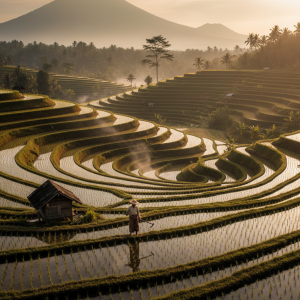
The air shifts as you drive north. It sheds the cloying humidity of the south, trading the scent of frangipani and sunscreen for the cooler, spicier notes of clove and damp volcanic earth. A distant melody, the percussive chime of a gamelan orchestra, drifts through the open window of your private vehicle. Here, the landscape unfurls not in beach clubs and boutiques, but in emerald rice terraces cascading down mountainsides, a system of agriculture so unique it’s recognized by UNESCO. This is the Bali we, at Departures, continually seek—a place not just to be seen, but to be felt. For the discerning couple, a private tour in North Bali is not a luxury; it is the essential key to unlocking the island’s most profound and intimate secrets.
Beyond the Seminyak Scene: Defining the North Bali Private Tour
For years, our editors have noted a distinct bifurcation in the Bali experience. The south—Kuta, Seminyak, Canggu—offers a vibrant, high-energy holiday, which has its place. But the north is a different proposition entirely. It is a region of quietude and authenticity, where the rhythm of life is dictated by ceremony and harvest. A private tour here is fundamentally different from simply hiring a car and driver. It is an exercise in curation, a collaboration between a travel specialist and a local guide whose knowledge transcends what any guidebook could offer. We’ve relied on our local contact, a Munduk native named Gede, for over a decade, and his insights are what elevate a trip from a vacation to an education. He understands that the true value lies in access—knowing which village is preparing for a ceremony, the precise time to arrive at Ulun Danu Beratan to see the mist rise off the lake without a single tour bus in sight, or which family-run warung serves the most authentic Babi Guling far from any tourist trail. The Buleleng Regency, which constitutes most of North Bali, covers an expansive 1,366 square kilometers, nearly a quarter of the island’s landmass. This geography itself acts as a natural filter; the three-to-four-hour drive from the southern tourist hubs deters the casual day-tripper, preserving the region’s tranquil character. True north bali travel is about leveraging this distance, transforming it from an inconvenience into a portal to a more genuine version of the island.
The Waterfalls of the North: A Private Plunge into Nature’s Grandeur
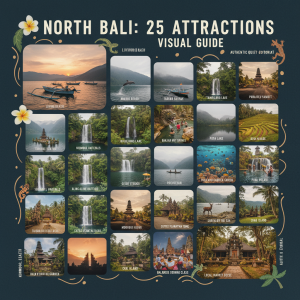
While Bali has no shortage of waterfalls, those in the north possess a scale and majesty that is simply in a different league. The crown jewel is undoubtedly Sekumpul, a name that translates to “a collection.” The moniker is apt, as it’s not one waterfall but a cluster of at least seven, plunging over 80 meters down jungle-clad cliffs into a misty canyon. The journey to its base involves navigating approximately 350 concrete steps, a trek that can be challenging in the humidity. This is where the private tour demonstrates its worth. Instead of being herded along with a group, you move at your own pace, with a guide who knows the safest footholds and the most photogenic lookouts. The reward is a swim in a pool of shockingly cold, clear water, the roar of the falls a visceral, elemental force. For the more adventurous couple, a visit to Aling-Aling offers a different kind of thrill. Here, natural rock slides and cliffs of 5, 10, and 15 meters have created a natural waterpark. While we’ve seen dozens of tourists queueing for the jumps, a skilled guide can lead you to adjacent, less-trafficked falls for a more serene experience. The cost for these guided treks is nominal, often around IDR 125,000 (about $8 USD) per person, but the value of having an expert navigate the terrain and share its ecological story is immeasurable. They know to arrive before 10 AM, beating the small group tours that begin to trickle in from Lovina and Munduk.
Volcanic Vistas and Sacred Springs: The Munduk and Bedugul Highlands
The central highlands are the spiritual and agricultural heart of North Bali. As your car ascends into the mountains surrounding Munduk, the temperature drops a noticeable 5 to 8 degrees Celsius. This cooler climate is perfect for growing coffee, cloves, and hydrangeas. A private tour allows for impromptu stops at small, family-owned coffee plantations where you can sample Kopi Luwak and learn about the intricate process of shade-grown Robusta coffee production directly from the farmer. The region’s centerpiece is the temple complex of Pura Ulun Danu Beratan. Built in 1633, it appears to float on the serene surface of Lake Beratan, 1,200 meters above sea level. Arriving at sunrise, as part of a bespoke itinerary, is a truly sublime experience. You can witness the temple emerge from the morning mist with only a handful of local worshippers for company. Nearby, the twin lakes of Buyan and Tamblingan offer another opportunity for quiet contemplation. We highly recommend arranging a private tour that includes a crossing of Lake Tamblingan in a traditional wooden canoe, or pedau. There are no motors allowed on the lake, preserving a silence that is almost absolute. For a restorative end to a day of exploration, the Banjar Hot Springs (Air Panas Banjar) provide a unique therapeutic experience. The public baths can be crowded, but our North Bali Travel Specialists can arrange access to the more secluded upper pools. The volcanically heated water, with a sulfur content of around 26%, is believed to have healing properties and is a perfect balm for muscles tired from trekking.
Lovina’s Quiet Coast: Dolphins, Coral Reefs, and Black Sand Serenity
The coastal town of Lovina is famed for two things: its calm, black sand beaches and its early-morning dolphin watching tours. The latter has, admittedly, become a point of contention. The image of dozens of traditional jukung boats aggressively chasing pods of spinner dolphins at 6 AM is a concern for any conscientious traveler. However, this is another area where a private charter completely changes the narrative. By working with an experienced local captain, you can depart later, around 7:30 AM, long after the main flotilla has returned to shore. This patient approach, guided by a captain who respects the animals’ space, often results in more intimate and prolonged encounters with the pods as they go about their morning hunt. The cost for a private boat is typically around IDR 600,000 (about $40 USD), a worthy investment for an ethical and superior experience. Beyond the dolphins, the true underwater treasure of the north lies further west, at Menjangan Island. Part of the West Bali National Park, this small, uninhabited island is surrounded by some of the most vibrant and well-preserved coral reefs in Bali. A private snorkeling or diving trip here is a must for any marine-loving couple. The “wall diving” is particularly spectacular, with drop-offs teeming with sea fans, pygmy seahorses, and reef sharks. An organized private day trip, including park fees, equipment, and a guide, costs approximately $80-$100 USD per person and is a highlight of any Lovina tour itinerary.
Cultural Immersion: From Lontar Libraries to Balinese Kitchens
The ultimate luxury in travel is not about thread counts or Michelin stars; it’s about genuine human connection. The best private tours in North Bali are designed to facilitate these moments. In Singaraja, the former Dutch colonial capital, lies a lesser-known destination: the Gedong Kirtya Lontar Museum. Established in 1928, it houses thousands of ancient manuscripts inscribed on the dried leaves of the lontar palm. A private guide can help arrange a meeting with a curator to explain the intricate process of transcribing and preserving these delicate records of Balinese history, literature, and mythology. For a deeper look into Balinese society, we recommend a visit to a Bali Aga, or “original Balinese,” village like Sidatapa, where ancient customs and unique architectural styles persist. This is a sensitive undertaking, and should only be done with a guide who has a long-standing relationship with the community. Perhaps the most rewarding experience is a private cooking class. This is not a commercial school, but an invitation into a family home. The day begins at the local market, a riot of color and commerce, where you’ll learn to select spices and vegetables. Then, in a traditional open-air kitchen, you’ll learn the secrets of making a proper basa gede (spice paste) and grilling sate lilit over coconut husks. This immersion into the island’s culinary traditions is also a lesson in its agricultural ingenuity, much of which is governed by the Subak system, a complex irrigation network of canals and weirs so culturally significant it was designated a UNESCO World Heritage site in 2012.
Quick FAQ: Your North Bali Private Tour Questions Answered
What is the best time of year to visit North Bali? The dry season, from April to October, offers the most pleasant weather, with average daily temperatures around 27°C on the coast and cooler in the highlands. For the discerning traveler, we recommend the shoulder months—specifically May, June, and September. During this period, you’ll find the landscape is still exceptionally green from the wet season, but you’ll encounter far fewer visitors than in the peak months of July and August.
How much should we budget for a private tour? A high-quality, full-day (typically 8-10 hours) private tour for two with an expert English-speaking guide, a modern air-conditioned vehicle, all entrance fees, and parking should be budgeted between $150 and $250 USD. While this is more than a shared tour, the value derived from personalization, flexibility, and insider access provides a return on investment that is immeasurable.
Is North Bali safe for couples? North Bali is exceptionally safe. The region is known for its gentle pace of life and genuinely welcoming communities. The crime rate is significantly lower than in the more densely populated southern areas. Standard travel precautions are always advised, but couples will find the atmosphere to be relaxed, secure, and conducive to romantic exploration.
What should we pack that we might not expect? Beyond the usual tropical wear, two items are essential. First, a light jacket or warm sweater. Evenings in the Munduk highlands can be surprisingly cool, dropping to 18-20°C. Second, a pair of sturdy, closed-toe walking shoes with good grip. The paths to waterfalls can be slippery, and proper footwear is non-negotiable for both safety and comfort.
North Bali is an invitation to experience the island on a more profound level. It is for the couple who understands that true luxury is found not in opulence, but in authenticity, space, and time. It’s about trading the crowds for a genuine connection with the land and its people. When you are ready to begin a journey that engages all the senses and leaves an indelible mark on your memory, the experts at north bali travel are the architects of these memorable experiences. Explore their curated itineraries and allow them to design a trip that reveals the true, beating heart of the island. Your authentic north bali travel adventure awaits.